
8 Thoroughbred Racing Tips for Spotting Winning Horses

Quick Wins: Why Most Punters Get Thoroughbred Racing Wrong
Most punters think they’re analysing a race when they’re really just reading results.
They look at finishing positions, recent wins, and maybe the favourite’s price. On the surface, that feels like logic. In reality, it’s shallow analysis that misses what actually drives outcomes in thoroughbred racing.
Racing is not a highlight reel. It’s a puzzle made up of pace, positioning, conditions, and intent. When you ignore those variables, you end up backing horses for the same reasons everyone else does. That’s exactly where the market becomes efficient, and where value disappears.
This is why so many beginners gravitate toward favourites and still lose over time. The public isn’t pricing horses based on deep analysis. They’re reacting to obvious signals. That creates opportunities, but only if you know where to look.
If you want to improve, the shift is simple but not easy: stop reading form at face value and start breaking races down properly.
How to Read a Race Like a Form Analyst
Beyond finishing positions
A finishing position is the end result. It doesn’t explain the run.
A horse that finishes fourth after being held up for most of the straight can be far more impressive than a horse that wins from a soft lead. Without context, both performances look completely different to what actually happened.
Professional analysis focuses on the “how,” not just the “what.” That means asking questions like:
- Did the horse get clear running?
- Was it suited by the tempo?
- Did it cover extra ground?
These details reveal whether a performance is repeatable or misleading.
Understanding race context
Every race unfolds differently. Some are run at a fast tempo that favours horses coming from behind. Others are controlled by leaders who dictate the pace and make it difficult for anything else to get involved.
Track conditions also play a role. A wet track can completely reshape a race, favouring horses that handle softer ground while exposing those that don’t .
Without understanding these layers, form analysis becomes guesswork. With them, patterns start to emerge—and that’s where better decisions come from.
8 Thoroughbred Racing Tips That Actually Find Winners
Tip 1: Analyse the Track and Conditions First
Before assessing any runner, you need to understand the environment.
Track condition is one of the most influential variables in racing. Firm tracks reward speed, while soft or heavy ground tests stamina and often produces unpredictable results .
Some horses improve significantly when conditions suit them. Others drop away just as quickly. If you skip this step, you’re analysing horses without context, which leads to poor selections.
Start with the track. Then eliminate runners that are unlikely to perform under those conditions.
Tip 2: Map the Race Before You Price It
The map tells you how the race will be run.
It identifies:
- Which horses will lead
- Which will settle midfield
- Which will be forced to come from the back
This matters because position equals opportunity. A horse that maps to get a clean run in transit has a significant advantage over one that may be trapped wide or stuck behind slower runners.
Most punters look at ability first. Professionals look at how that ability will be used in the race. That’s the difference.
Tip 3: Look Beyond Finishing Position
Not all wins are equal. Not all losses are bad.
A horse can win a weak race under perfect conditions and be overvalued next start. Another can finish midfield in a stronger race after a tough run and be completely overlooked.
Beaten margins, race quality, and how the run unfolded provide far more insight than the final placing. This is where real form analysis begins—understanding performance, not just results.
Tip 4: Identify Hidden Runs the Market Misses
This is where the edge often sits.
Hidden runs occur when a horse performs well without the result reflecting it. Maybe it was held up, forced wide, or made ground late when the race was already over.
These efforts don’t show up clearly in the form guide, which means the market often underestimates them. When those horses return under better conditions, they become strong betting opportunities.
Professionals actively look for these runs because they create value before the public catches on.
Tip 5: Respect Barrier Draws and Race Shape
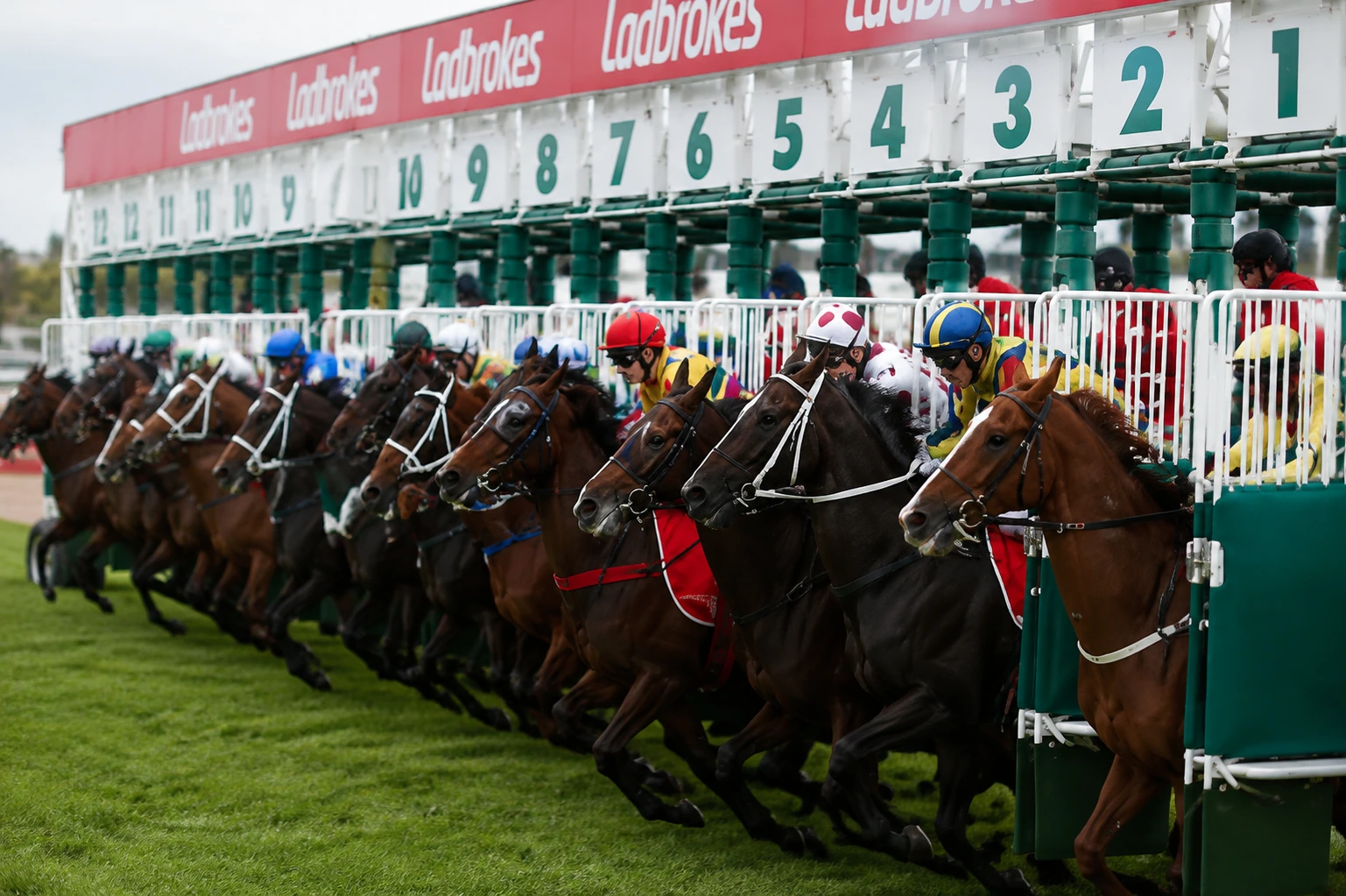
Barrier draws influence how much work a horse needs to do early.
An inside draw can allow a horse to settle closer to the rail and conserve energy. A wide draw often forces a runner to cover extra ground or settle further back than ideal, which reduces its winning chance—especially in shorter races.
Barrier position becomes even more important when combined with race shape. A wide draw in a race with strong early speed can make it difficult to find a good position at all.
Ignoring this factor leads to overestimating horses that may not get the run they need.
Tip 6: Factor in Jockey and Trainer Intent
Not every horse is placed in a race to win.
Trainer patterns and jockey bookings provide clues about intent. A strong rider engagement or a horse stepping into a more suitable distance after a preparatory run can indicate readiness.
On the other hand, some runners are being set up for future targets. They may need the run or be racing outside their optimal conditions.
Understanding intent helps you avoid backing horses that look good on paper but aren’t ready to perform.
Tip 7: Use Pedigree to Predict Improvement
When dealing with lightly raced or unraced horses, traditional form analysis has limits. That’s where pedigree becomes critical.
Breeding can indicate whether a horse is likely to:
- Handle certain track conditions
- Improve over longer distances
- Develop with racing experience
Experienced analysts combine pedigree insights with trial performances to identify talent early . This allows them to spot horses the market hasn’t fully priced yet.
Tip 8: Only Bet When Price and Probability Align
This is the final filter—and the most important one.
Even if you’ve identified the right horse, it’s not a good bet unless the price justifies the risk. Value exists when your assessment of a horse’s winning chance is greater than what the odds imply.
Without this alignment, you can pick winners and still lose money over time. According to the Australian Institute of Family Studies, more than 70% of Australian adults who bet regularly online on sports or races were at risk of or currently experiencing gambling related harm, and 21.4% met the criteria for high risk gambling. With it, you can lose individual bets but remain profitable across a larger sample.
This is where most punters fall short. They focus on outcomes, not pricing. Professionals focus on both.
Why Most Thoroughbred Tips Fail
Most tips fail because they simplify a complex process.
They rely on:
- Recent wins
- Popular horses
- Basic statistics
What they ignore is context. They don’t explain how the race will be run, how conditions affect each horse, or whether the price offers value.
This creates a false sense of confidence. The tip may sound logical, but without depth, it doesn’t hold up over time.
Good analysis doesn’t just tell you what to back. It shows you why—and just as importantly, why not.
A Professional Approach to Thoroughbred Racing
A structured approach to racing removes guesswork and replaces it with process.
It starts with analysing the track and conditions. Then it moves to mapping the race and understanding how each runner fits within that structure. From there, it evaluates performance in context before comparing that assessment to market pricing.
This process doesn’t guarantee winners. Nothing does.
What it does is improve decision quality. Over time, better decisions produce better outcomes, even if individual results vary.
Professional bettors are not trying to win every race. They are trying to consistently find situations where the market is wrong or incomplete. That’s where profit comes from.
What to Know About Racing Tips
What is the most important factor in race analysis?
There isn’t one single factor. Track conditions, race shape, and form all interact. The key is understanding how they combine in each specific race rather than relying on one variable.
Are favourites a good betting strategy?
Favourites win more often, but they are also heavily backed. This usually reduces value, which means they are not always profitable over time.
How do you find value in a race?
Value comes from identifying discrepancies between your assessment of a horse’s chance and the market price. This requires accurate analysis and discipline.
How long does it take to become good at form analysis?
The fundamentals can be learned quickly, but developing a consistent edge takes time, repetition, and review. Like any skill, improvement comes from applying the process consistently.
Bet Smarter with the Right Analysis
Most punters rely on basic form and surface-level thinking.
That approach might work occasionally, but it doesn’t hold up across a large sample of bets. Without structure, decisions become inconsistent, and inconsistency leads to losses.
A better approach is built on clarity. Understanding how races unfold, how conditions influence performance, and how pricing reflects probability allows you to make informed decisions instead of reactive ones.
Ready to See What the Market Gets Wrong?
If you’re serious about thoroughbred racing, the edge isn’t in more tips. It’s in better analysis.
Jig Racing is built around that principle.
You’re not getting recycled opinions or generic selections. You’re getting:
- Deep, form-driven race analysis
- Identification of hidden runs and overlooked horses
- Selective betting where value actually exists
This is how professional punters approach the game.
See how Jig Racing breaks down races and decide if it fits your approach before committing.
Recent Posts


21 August, 2026
Piranha Media 20/8/26