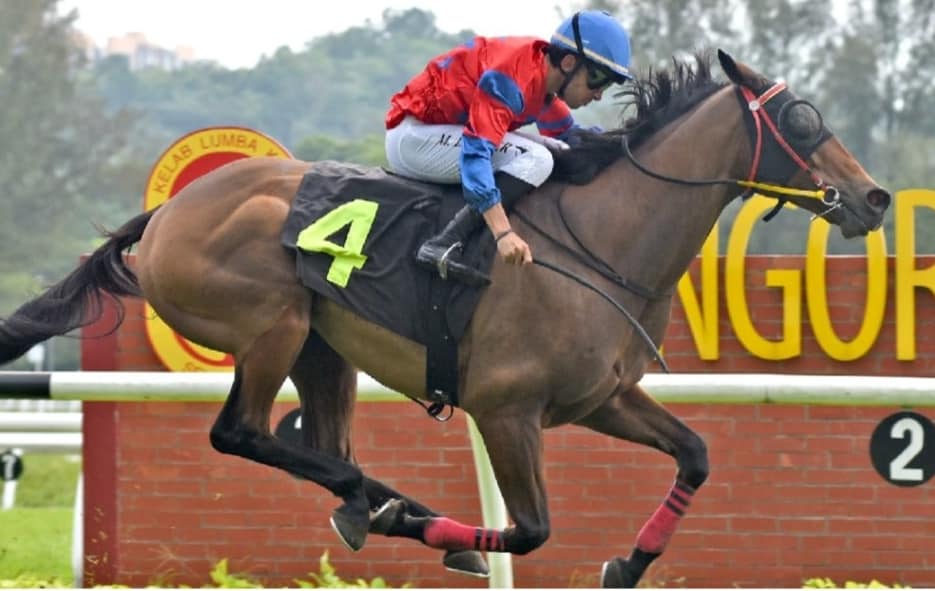

Betting Tips: How to Tell a Form Based Opinion From a Guess
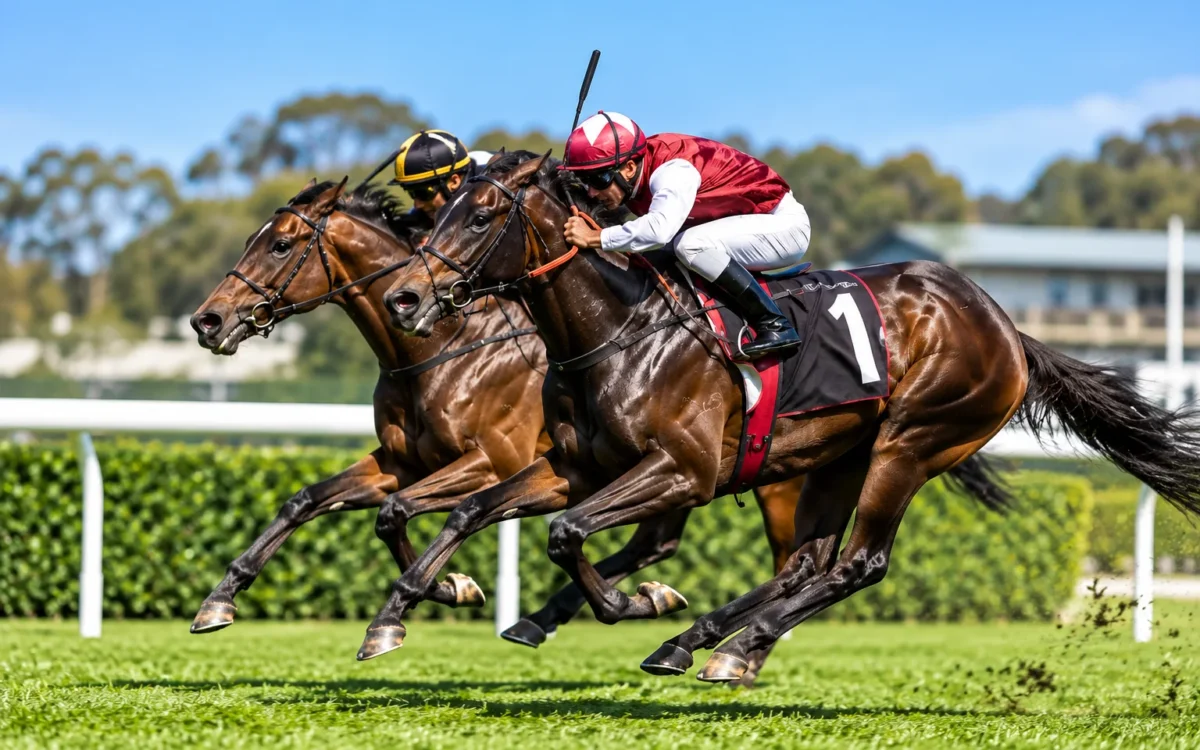
A horse gets tipped. The analyst sounds certain. The price starts shortening. Before long, everyone seems to have the same opinion.
None of that tells you whether the bet is worth taking.
At Jig Racing, we want to see the work behind a selection. What has the horse actually shown? How does today’s race set up? What price makes the risk worthwhile? And what would make us change our mind?
Those questions matter more than confidence.
If you are comparing betting tips, you need a way to assess the quality of the opinion before you act on it. A good process can produce losing selections. A poor process can occasionally find a winner. One result cannot settle the argument.
Here is how we assess racing opinions, and how you can use the same framework to decide whose advice deserves your attention.
Stop Paying for Confidence. Start Assessing the Work.
A tipping service can publish plenty of selections and still tell you very little about how they were reached. A horse name, a set of odds and a confident declaration are easy to produce.
The work is harder.
We want an opinion that connects the horse’s ability to the race it faces today. That means understanding the evidence, the likely setup, the market and the risk. It also means knowing when the available price no longer makes sense.
A Winning Tip Can Still Be a Poor Decision
Imagine an analyst backs a horse at $1.50 despite assessing its winning chance at only 50%. The horse wins. The result looks good on a screenshot, but the price offered insufficient compensation for the estimated risk.
Another analyst assesses a horse as a 25% chance and takes $5.00. That horse loses. The decision may still have been reasonable if the probability estimate was sound.
Neither example proves an analyst has a long-term edge. They show why the result and the decision need to be assessed separately.
A winner does not automatically make the reasoning good. A loser does not automatically make it bad.
The Five Questions We Want Answered Before a Bet
We group the assessment into five areas: evidence, race setup, probability and price, risk, and accountability.
The evidence tells us what the horse has shown. The setup tells us whether it can reproduce that performance. Probability and price determine whether there may be value. Risk controls the amount exposed. Accountability allows the process and results to be examined over time.
If an opinion cannot answer those questions, we want to know what is missing before giving it any weight.
Our Betting Tips Checklist: Eight Tests Every Racing Opinion Should Survive
Use these checks when reading a preview, watching a tipster or comparing a subscription service. Each one should lead to a practical answer.
1. Can the Analyst Show What the Horse Has Actually Done?
Start with the evidence.
A form guide gives you finishing positions, margins and other useful data. We also want to understand the performance itself. Did the horse cover additional ground? Was it held up? Did it have every chance? Was the opposition strong enough to make the result meaningful?
Consider two hypothetical horses that both finished sixth. One raced wide throughout and kept finding the line. The other enjoyed a clear run and weakened.
Same finishing position. Very different assessment.
Trials and jump-outs can add information, particularly with unraced or lightly raced horses. We look at how a horse travels, responds to pressure and moves through the line. Josh McLoughlin’s bloodstock background also informs our assessment of young horses, including pedigree, development and likely distance suitability.
That does not mean every impressive trial horse is a bet. The performance still needs to be assessed against the opposition, the conditions and the price available when it races.
The test: Ask the analyst to identify the performance supporting the selection and explain what made it meaningful. “It ran well last start” needs more detail.
2. Does the Race Map Support the Selection?
A horse can have the strongest exposed form in a race and still face a difficult assignment.
We assess likely tempo, settling positions, barriers and the pressure around each runner. A backmarker may need a genuine pace to bring its closing speed into play. A leader that controlled the previous race may face three other horses wanting the same position today.
That changes the assignment.
The barrier matters through the map. An inside draw can save ground, but it can also create traffic problems. A wide draw may leave a runner covering extra ground or force the jockey to spend energy securing a position.
We want to know how the horse is likely to get its chance. If the answer depends on everything going perfectly, that needs to be reflected in the assessment.
The test: Ask how the horse is expected to get into the race and what could go wrong. A strong opinion should explain the likely run, including the main tactical risk.
3. Are the Track, Distance and Weight Being Assessed Together?
Raw statistics can make a selection look stronger than it is.
A horse may have an excellent wet-track record because previous races suited its racing pattern. Another may have struggled on Soft ground after receiving unsuitable runs. We want to understand the circumstances behind those records.
Distance, weight, fitness and track condition also interact. A horse stepping up in trip may be better suited by the extra distance, yet a strongly run race on testing ground could expose a fitness concern. Added weight may affect runners differently depending on the conditions and the way the race unfolds.
There is no useful shortcut that says a particular weight change always equals a fixed number of lengths. The effect depends on the horse and the race.
Track patterns can change during a meeting, too. Earlier races may reveal that certain sections of the track are performing differently from expected. That evidence deserves consideration before relying on a morning assessment.
The test: Ask which conditions improve the horse’s chance and which could weaken it. The answer should explain their combined effect on the race.
4. Are Sectionals and Trials Being Interpreted, Not Just Quoted?
Sectional times measure how quickly a horse covered part of a race. Their usefulness depends on the circumstances.
A fast final 400 metres after an easy early tempo needs to be assessed differently from a similar split produced after sustained pressure. Position, interference, ground covered and the overall race shape all affect the interpretation.
The same applies to trials.
A comfortable winner may have shown genuine ability. A horse finishing behind it may have travelled just as well without being asked for a full effort. We need to watch the footage before deciding what the result means.
And we need to resist seeing what we want to see. A visually impressive trial can be misleading if the opposition is weak or the horse has not been tested under race pressure.
The test: Ask what the number or trial performance tells us about the upcoming race. If the analyst cannot explain the context, the statistic has limited value.
5. Is Trainer Placement or a Jockey Booking Being Used as Evidence Rather Than a Guarantee?
A recognised jockey booking can improve the tactical case for a horse. It does not solve every problem.
We still want to know what the rider needs to achieve. A horse with limited early speed may face a difficult task from a wide barrier regardless of who is aboard. A front-runner may need to secure the lead without using too much energy.
Trainer placement can also provide useful clues. Distance changes, class movement, preparation timing, travel and jockey bookings may indicate how a horse is being placed.
Those are observable decisions. They do not give us certainty about private stable thinking.
You will hear people describe a booking as proof that a horse is ready to win. We would rather explain what the booking changes and whether the rest of the evidence supports the opinion.
The test: Ask how the booking or placement changes the horse’s chance. Be cautious when a tip relies on claims of certainty that cannot be independently checked.
6. Does the Analyst Explain Why Today Could Be Different?
Finding an unlucky horse is only the beginning.
Suppose a runner was held up behind tiring horses last start. The replay may reveal genuine hidden merit. But if the horse draws inside again and lacks the speed to secure a better position, the same problem could recur.
What has changed?
We want to identify the mechanism that may allow the horse to improve. A different barrier, more suitable tempo, change in distance or altered track conditions might provide that explanation. The reason must fit the individual horse and race.
A previous excuse also needs scrutiny. Sometimes a horse appears unlucky, yet the replay shows it lacked the acceleration to take an available gap. Calling every beaten runner unlucky creates a Blackbook full of false positives.
The test: Ask what has changed since the previous run and how that change could affect the result. If the answer is simply “it was unlucky”, the assessment is incomplete.
7. Is There a Price at Which the Tip Becomes a Pass?
This is one of the clearest ways to distinguish an opinion from a betting decision.
An overlay occurs when our assessment of a horse’s winning chance is greater than the probability implied by the available odds. The difficult part is estimating that chance accurately. An analyst’s probability is an assessment, not a fact.
Take a hypothetical horse we assess as a 25% chance. Its fair decimal odds would be $4.00. A price of $5.00 implies a 20% chance and may offer value if our assessment is accurate. At $3.00, the implied probability is approximately 33.3%, so the same horse would be too short for our estimate.
The horse has not changed. The price has.
That is why we distinguish between liking a horse and wanting to back it. A horse can be the most likely winner and still be poor value. Another can be less likely to win but worth considering at a sufficiently generous price.
The test: Ask what odds the analyst considers fair and whether the recommendation still stands at the available quote. A selection without a price threshold is difficult to assess properly.
8. Is There a Defined Stake and a Willingness to Say “No Bet”?
A staking plan should explain how much is being risked and why.
Our approach uses units to communicate staking and encourage consistency. A unit represents a defined amount of the bettor’s bankroll, allowing selections to be followed without changing stakes impulsively after wins or losses.
A staking system cannot make an unprofitable strategy profitable. It cannot eliminate the possibility of losing the money allocated to betting, either. Any amount used for wagering should be affordable to lose. Borrowing or chasing losses has no place in a disciplined approach.
Wagering is also widespread in Australia. Australian Communications and Media Authority research reports that 44% of Australian adults had wagered on racing or sports in the previous year in 2022. This reinforces the importance of approaching betting decisions with clear limits around stakes and expenditure.
Selectivity matters just as much.
We do not need to recommend a bet in every race. If the analysis does not identify a worthwhile opportunity at the available price, passing is a valid decision.
No edge. No bet.
The test: Ask whether the service provides clear staking guidance, records losing selections and accepts that some races deserve no bet.
Put the Tipster’s Reasoning to the Test Before You Follow It
The checklist becomes more useful when you apply it to an actual published opinion.
Choose a recent selection and read the analysis before looking at the result. Identify the main evidence, the expected race shape and the price at which the tip was recommended. Then watch the race and compare what happened with the analyst’s expectations.
Did the horse get the run described? Did the expected tempo materialise? Was the assessment of the track right? If the selection lost, was the original reasoning still defensible, or did the analyst miss something important?
You are assessing the quality of the reasoning. One race will not establish a track record, but it can reveal whether the analyst explains decisions clearly and learns from outcomes.
Ask These Questions Before You Pay for Racing Advice
A service should be able to explain its methodology and provide enough information for you to assess its claims.
Ask whether selections are timestamped, whether the quoted odds were available at publication, how stakes are recorded and whether losing bets remain in the results. Look for a complete record over a meaningful period.
A handful of winning screenshots cannot establish profitability. The same applies to a headline strike rate without the prices and stakes needed to understand the return.
Subscription terms deserve the same scrutiny. Check the current price, trial conditions, renewal arrangements and cancellation process before committing.
What a Strong Answer Looks Like, and What Should Make You Walk Away
| What you are assessing | Evidence worth looking for | A reason to question the claim |
| Form analysis | Specific runs, trials and relevant conditions | “This horse is a certainty” |
| Race setup | A clear map and discussion of tactical risks | No explanation of how the horse gets its chance |
| Price | An assessed probability or fair-price range | A selection recommended at any odds |
| Results | Complete records with stakes and quoted prices | Only winning screenshots or selected time periods |
| Staking | A defined method and clear exposure | Pressure to increase stakes after losses |
| Accountability | Willingness to explain mistakes and uncertainty | Claims that losses cannot occur |
A polished presentation does not prove the analysis is sound. Neither does an informal delivery make an opinion unreliable.
We judge the substance.
A Good Tip Is Only as Useful as the Price You Can Get
The market can move between publication and the time you place a bet.
Suppose a selection is recommended at $4.50 and shortens to $3.20. The original analysis may still be sound, but the available opportunity has changed. We would need to reassess the price rather than assume the earlier recommendation remains valid.
This matters when comparing tipping services. A results record based on prices that subscribers could not reasonably obtain may give a misleading impression of the returns available to them.
It also matters when following a selection in real time. Missing the original price does not mean you need to take whatever is left. Sometimes the correct response is to leave it alone.
How to Check a Tipster’s Results Without Being Misled by a Winning Screenshot
Look for the full sequence of selections, including losing bets. The record should identify the date, selection, stake, odds and result. It should also explain whether returns include the original stake and how any each-way bets are calculated.
Strike rate measures the proportion of winning selections. Return on investment measures profit or loss relative to the amount staked. Both can be useful, but neither tells the whole story without understanding the prices, staking method and sample size.
For example, ten hypothetical $10 win bets create $100 in total stakes. If the returns amount to $115, the profit is $15 and ROI is 15%.
That calculation is straightforward. Deciding whether the result is repeatable is not.
A longer record and a clear methodology are needed before drawing stronger conclusions. We would also want to know whether results are independently verified. If verification is unavailable, the limitation should be clear rather than hidden behind promotional claims.
See the Work Behind Our Selections Before Deciding Whether We Suit You
At Jig Racing, our analysis is built around the work that happens before a selection is released.
Josh McLoughlin’s background as a bloodstock agent and form analyst informs our focus on young and lightly raced horses, including maidens where exposed form can be limited. We study trials, jump-outs, replays, race conditions and the likely setup before deciding whether a price is worth considering.
That work is intended to give us a more complete picture of the race. It does not make every assessment right, and it does not mean every horse we identify becomes a bet.
Our service includes race previews, Tips and Best Bets, Blackbook tracking and Late Mail. The Blackbook allows us to follow horses identified through previous performances and trials, then reassess them when they return to race. It is a way of carrying useful observations forward rather than starting from scratch each time.
You can read more about the work behind our selections in our Australian Horse Racing Tips article.
If the methodology suits how you assess racing, you can also review our current Packages. Check the live page for the latest trial offer, subscription prices, renewal terms and cancellation arrangements before subscribing.
We want you to understand the process before deciding whether the service is right for you.
Before You Trust the Next Tip, Make Sure the Reasoning Holds Up
A useful racing opinion should be able to explain its evidence, the expected race setup, the available price and the main risks. It should also be open to a different conclusion if the conditions or market change.
That is the standard we apply to our own work.
Use the checklist before following a selection or paying for a service. Ask the questions. Check the records. Be prepared to leave a race alone if the case does not hold up.
No analyst can guarantee a profit, and betting should never be treated as a reliable way to pay bills or recover financial losses. If gambling is causing harm, confidential support is available through Gambling Help Online or the National Gambling Helpline on 1800 858 858.
Questions Worth Asking Before You Trust a Tipster
How can I tell whether a tipster has actually done the form?
Ask for the specific performances and conditions supporting the selection. A useful explanation should connect previous evidence to the upcoming race and identify the main risks. Length alone does not establish quality; the reasoning needs to lead to a defensible assessment.
Should I judge a tipping service by strike rate or return on investment?
Both measures can help, provided the underlying records are complete. Strike rate shows how often selections win, while ROI considers the return relative to stakes. We would also examine quoted odds, staking consistency, the length of the record and whether results can be independently verified.
What should I do when the bookmaker’s price is shorter than the tipster’s quoted odds?
Reassess the value at the price available to you. A horse recommended at $5.00 may no longer offer the same opportunity at $3.50. If the new quote does not compensate for the estimated risk, passing is a reasonable decision.
Are paid betting tips more reliable than free tips?
Payment alone does not establish reliability. Assess the quality of the reasoning, transparency of results, staking approach and whether the service suits your needs. A subscription should be judged on what it provides and the evidence supporting its claims.
How much racing form should an expert tip actually explain?
The analysis should cover the factors most likely to affect that particular race. Some selections require detailed discussion of trials and development; others may turn on tempo, conditions or price. We want enough information to understand the decision without burying the important points in irrelevant statistics.
Can a tipster have a good process and still go through a losing period?
Yes. Racing outcomes are uncertain, and even a well-supported selection can lose. A losing period does not automatically prove the process is poor, although it should prompt an honest review of the assumptions, prices and results. No staking method or analytical approach guarantees recovery.
What should I check before subscribing to a horse racing tipping service?
Review the methodology, available results, staking guidance and subscription terms. Check whether the service explains its selections, records losing bets and makes its pricing and cancellation arrangements clear. Consider whether the cost is affordable and whether the service encourages decisions that fit your own gambling limits.
The revised copy is ready for the existing article URL. The main improvements are a clearer distinction between a good selection and a good bet, stronger practical tests for evaluating tipsters, and a more natural transition from the analysis to our service.
Recent Posts
25 September, 2026
Why Strong Horse Racing Form Can Still Be a Bad Bet
21 September, 2026
Betting Tips: How to Tell a Form Based Opinion From a Guess